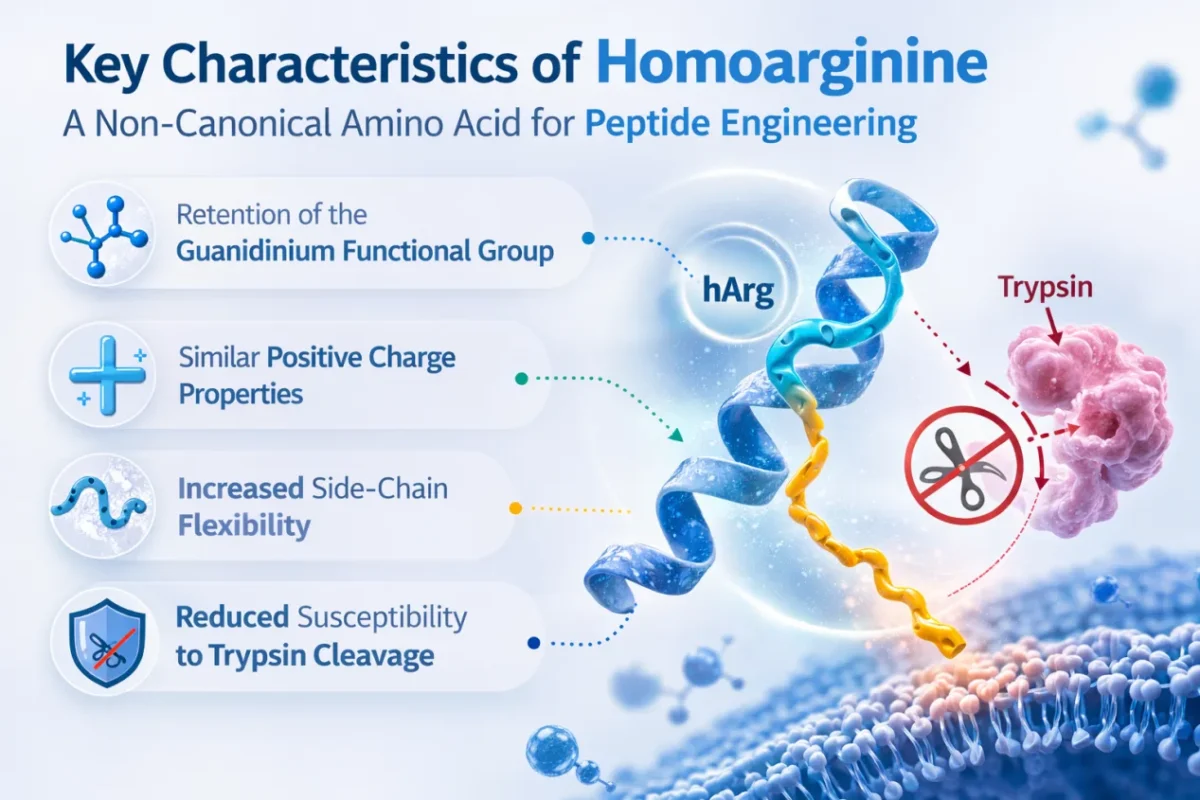
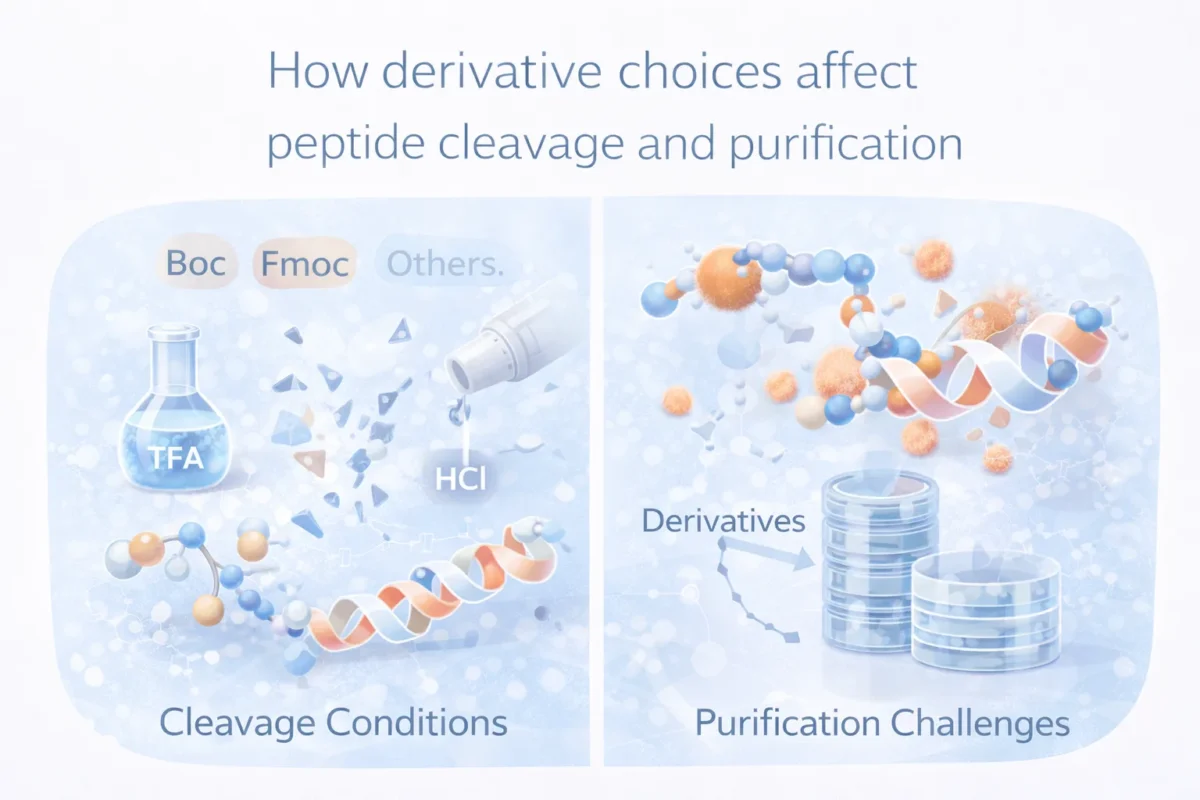
In modern peptide labs, amino acid derivatives are the quiet workhorses that make reliable sequences possible. They improve coupling efficiency, protect sensitive functional groups, and help chemists build complex peptides with clean, reproducible outcomes. Whether you’re working on discovery projects or scaling established sequences, the quality and selection of derivatives strongly influence peptide synthesis success, especially in solid-phase peptide synthesis workflows. […]
Author Archives: truemeds
Freeze-thaw cycles are a common part of everyday lab life. Samples go into the freezer, come out for quantification or dosing, and sometimes return for later runs. The good news is that the impact of freeze-thaw can be managed very effectively with a few practical habits. When you protect biological samples with smart aliquoting, consistent temperature control, and […]
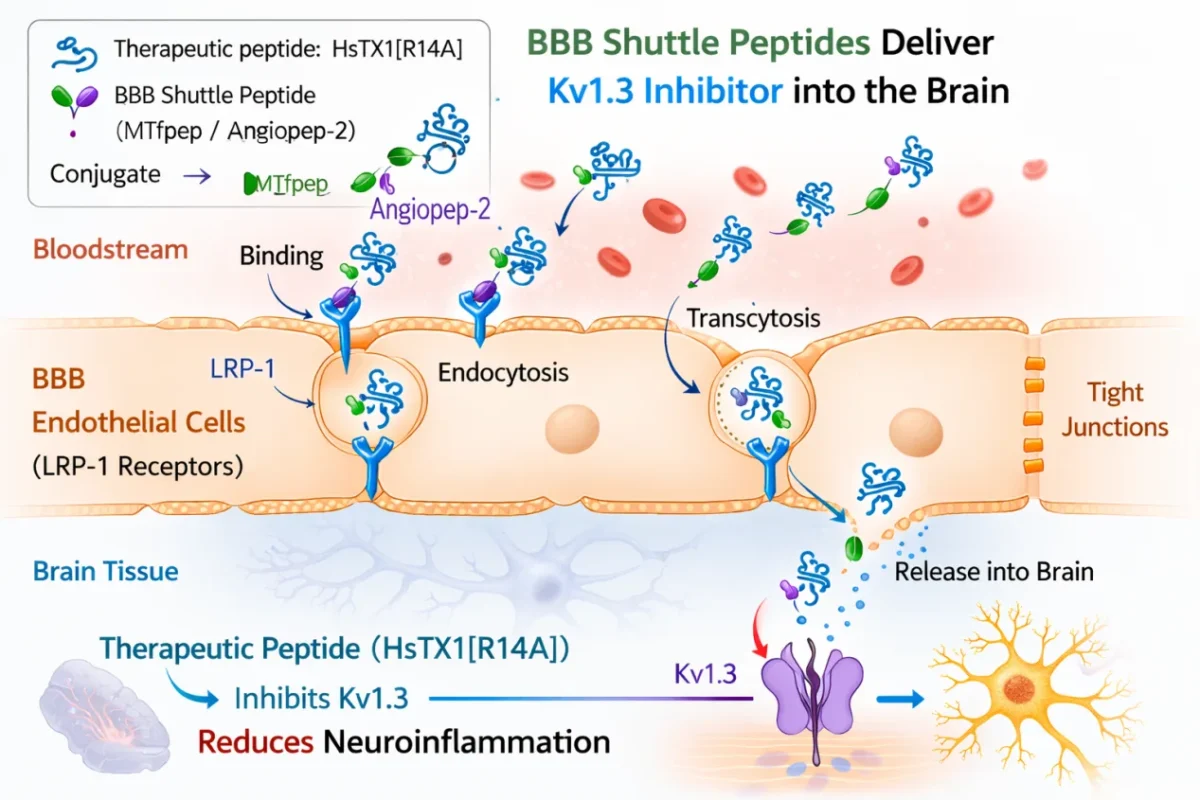
Peptide therapeutics are increasingly explored for the treatment of neurological disorders due to their high potency and target specificity. One promising strategy to overcome this limitation involves the use of BBB shuttle peptides that facilitate receptor-mediated transport across brain endothelial cells. Recent studies have investigated whether conjugating shuttle peptides to therapeutic cargos can enhance brain […]
Introduction: Antimicrobial Peptides as Next-Generation Antibiotics Antimicrobial peptides (AMPs) are gaining increasing attention as potential alternatives to traditional antibiotics. These short peptides, usually composed of 10–60 amino acids, are part of the innate immune defense systems found in many organisms. They exhibit broad-spectrum antimicrobial activity against bacteria, fungi, viruses, and parasites. Unlike conventional antibiotics that […]
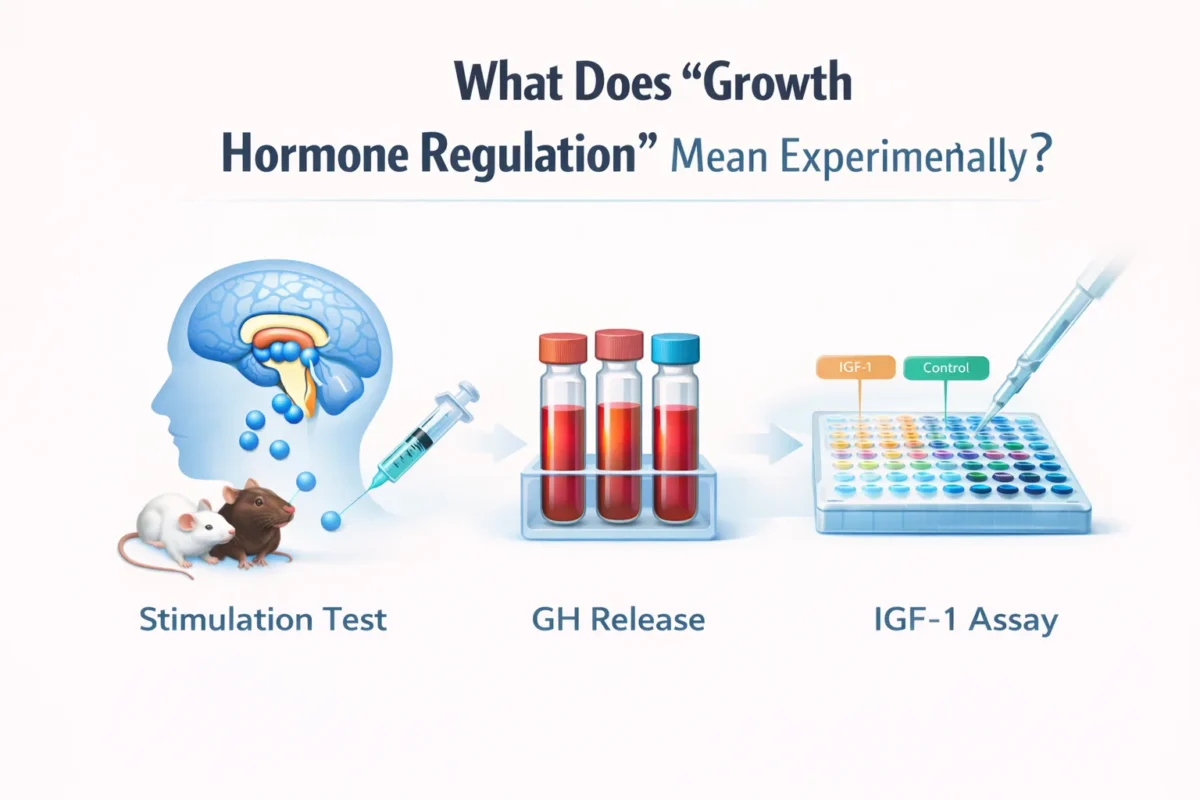
The growth hormone axis is one of the most studied endocrine networks because it connects brain signaling, pituitary hormone pulses, and tissue-level responses that influence metabolism, growth, and repair. In modern labs, growth hormone regulation is explored through controlled experiments that map how the hypothalamus and pituitary communicate, how peripheral tissues respond via IGF-1 signaling, and how new peptide tools, […]
In growth hormone science, peptides are often used as precise “switches” to understand how endocrine pathways behave under controlled conditions. Two names that frequently appear in research discussions are Tesamorelin and Ipamorelin. While they are both used in growth hormone (GH) regulation research, they sit in different mechanistic lanes, meaning their receptor specificity, signaling context, and experimental readouts can look quite […]
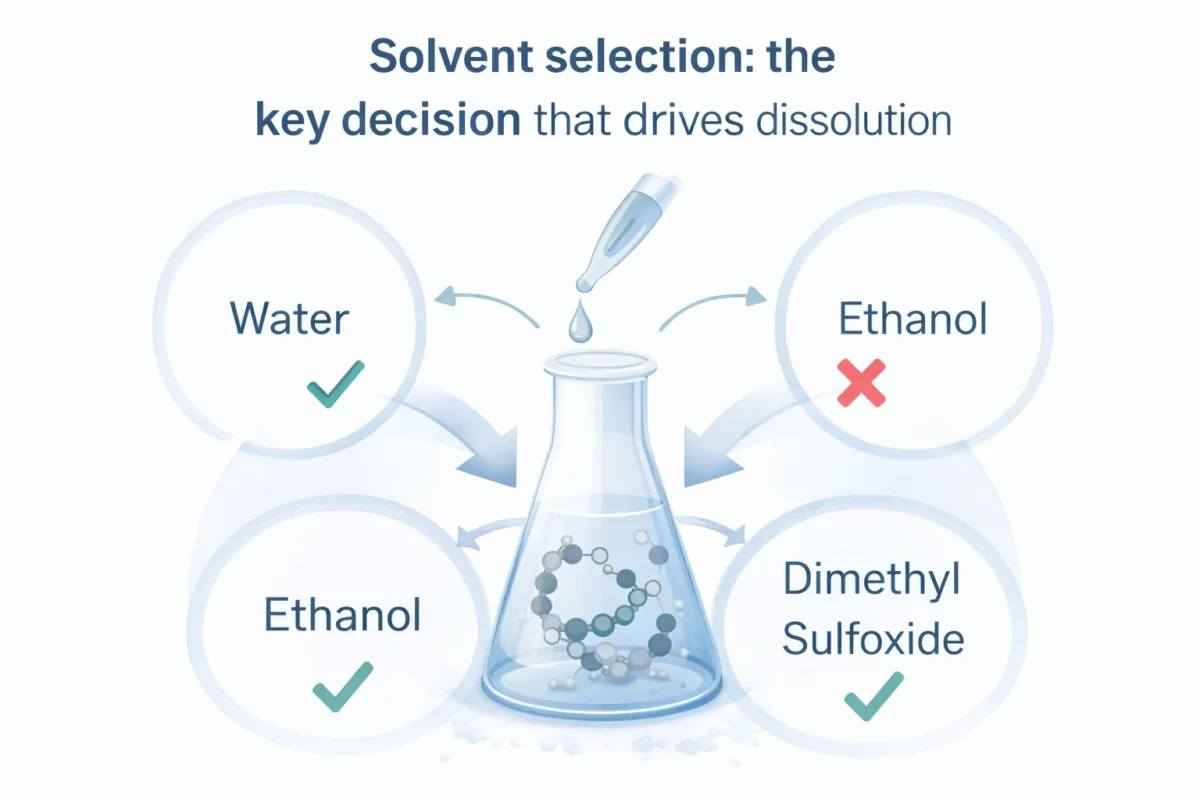
Peptide reconstitution is one of the most important “small steps” in peptide research because it sets the foundation for everything that follows: dose accuracy, assay consistency, and clean repeatability. When you handle lyophilized peptides with a simple, consistent routine, you typically get smoother dissolution, stronger data alignment across replicates, and clearer interpretation of biological effects. Why peptide reconstitution […]
Disulfide Bond Analysis in Cyclic Peptides: A Persistent Challenge Cyclic peptides are widely used in pharmaceutical research, biochemical studies, and functional material design due to their enhanced stability, resistance to enzymatic degradation, and high binding specificity. A key structural feature that underpins these properties is the presence of disulfide bonds, formed between cysteine residues. These […]
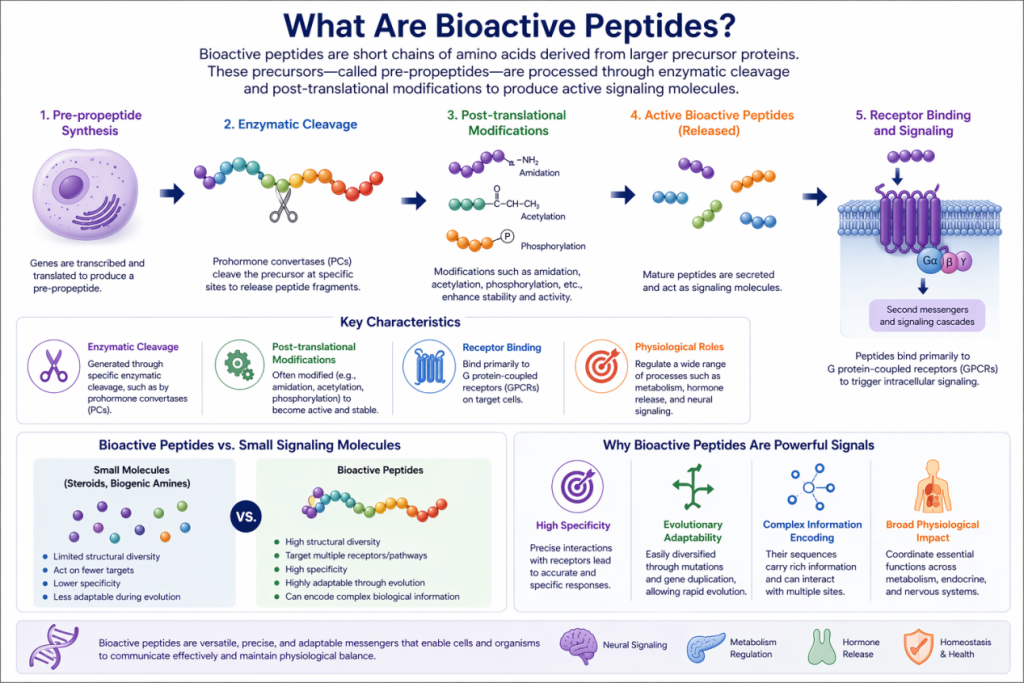
Introduction: Why Bioactive Peptides Matter More Than Ever For decades, bioactive peptides have been studied as key signaling molecules in biology. From insulin regulation to neuropeptide signaling, they play essential roles in maintaining physiological balance. But modern research is revealing a deeper reality: cells don’t respond to just one peptide at a time—they respond […]
Introduction: Why Peptide–Receptor Interactions Matter Designing Peptide Receptor Agonists and Antagonists. Peptide–protein interactions are among the most fundamental mechanisms controlling biological systems. From hormone signaling to immune responses, these interactions regulate essential physiological processes such as metabolism, pain perception, cardiovascular function, and neural activity. In fact, peptide ligands—including hormones, neurotransmitters, and cytokines—represent a significant […]